
Kimi K3 + Moonshot AI: China Defies OpenAI with a 2.8T Open-Weight Frontier Model
Moonshot AI releases Kimi K3 on July 16, 2026: 2.8T MoE parameters, 1M context, #1 Arena Frontend Code. Open weights on July 27. China defies OpenAI with a downloadable frontier model.

Kimi K3 + Moonshot AI: China Defies OpenAI with a 2.8T Open-Weight Frontier Model
On July 16, 2026, Moonshot AI releases Kimi K3: 2.8 trillion parameters, MoE architecture, 1M context, #1 Arena Frontend Code. Open weights on July 27. A strong signal that China is catching up with the Western frontier.
On July 16, 2026, Moonshot AI — a Chinese startup based in Beijing — releases Kimi K3, a 2.8-trillion-parameter AI model in Mixture-of-Experts (MoE) architecture. Announced as the largest open-weight model published to date, K3 surpasses DeepSeek V4 Pro (1.6T) and Zhipu GLM 5 (744B).
The release arrives the day before the World Artificial Intelligence Conference 2026 in Shanghai, opened by a speech from Chinese President Xi Jinping. Kimi K3 marks a turning point: for the first time, a Chinese open-weight model beats Western proprietary models on significant benchmarks.
Kimi K3 Technical Specs
Main Characteristics
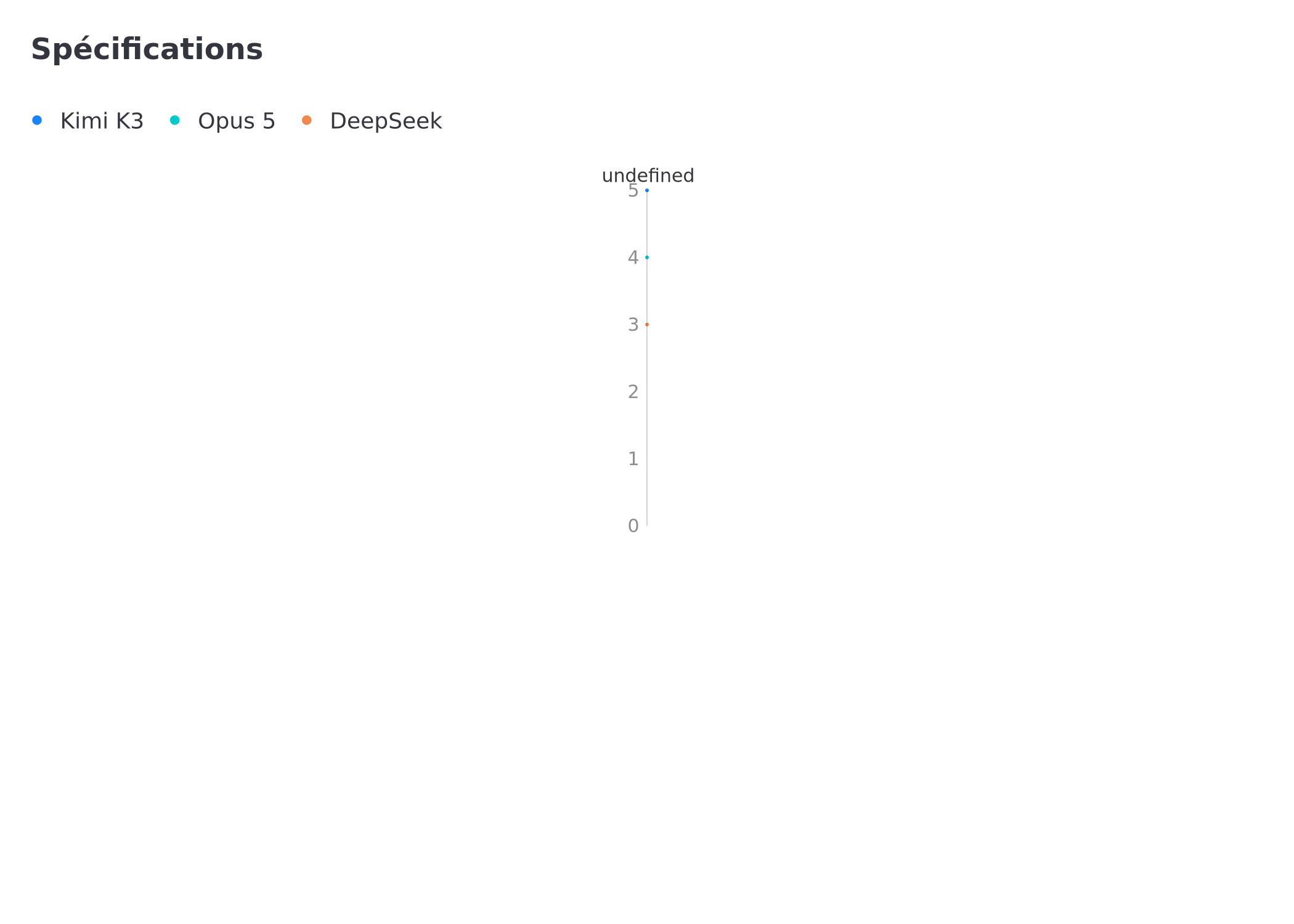 Radar comparison of Kimi K3 specs vs DeepSeek V4 Pro vs Claude Opus 5
| Specification | Kimi K3 |
|---|---|
| Total parameters | 2.8 trillion (2.8T) |
| Architecture | Mixture-of-Experts (MoE) |
| Active experts/token | 16 out of 896 |
| Context | 1 million tokens |
| Inputs | Native multimodal (text + images) |
| API ID | kimi-k3 |
| Input price | $3 / MTok |
| Output price | $15 / MTok |
| License | Modified MIT (expected) |
Technical Innovations
Kimi K3 introduces two techniques developed in-house at Moonshot:
- Kimi Delta Attention (KDA): improves computing efficiency
- Attention Residuals: improves reasoning quality
These techniques, combined with the MoE architecture, allow K3 to activate only 16 experts out of 896 per token, considerably reducing inference cost while retaining the full model's capacity.
Two Launches, One Confusion
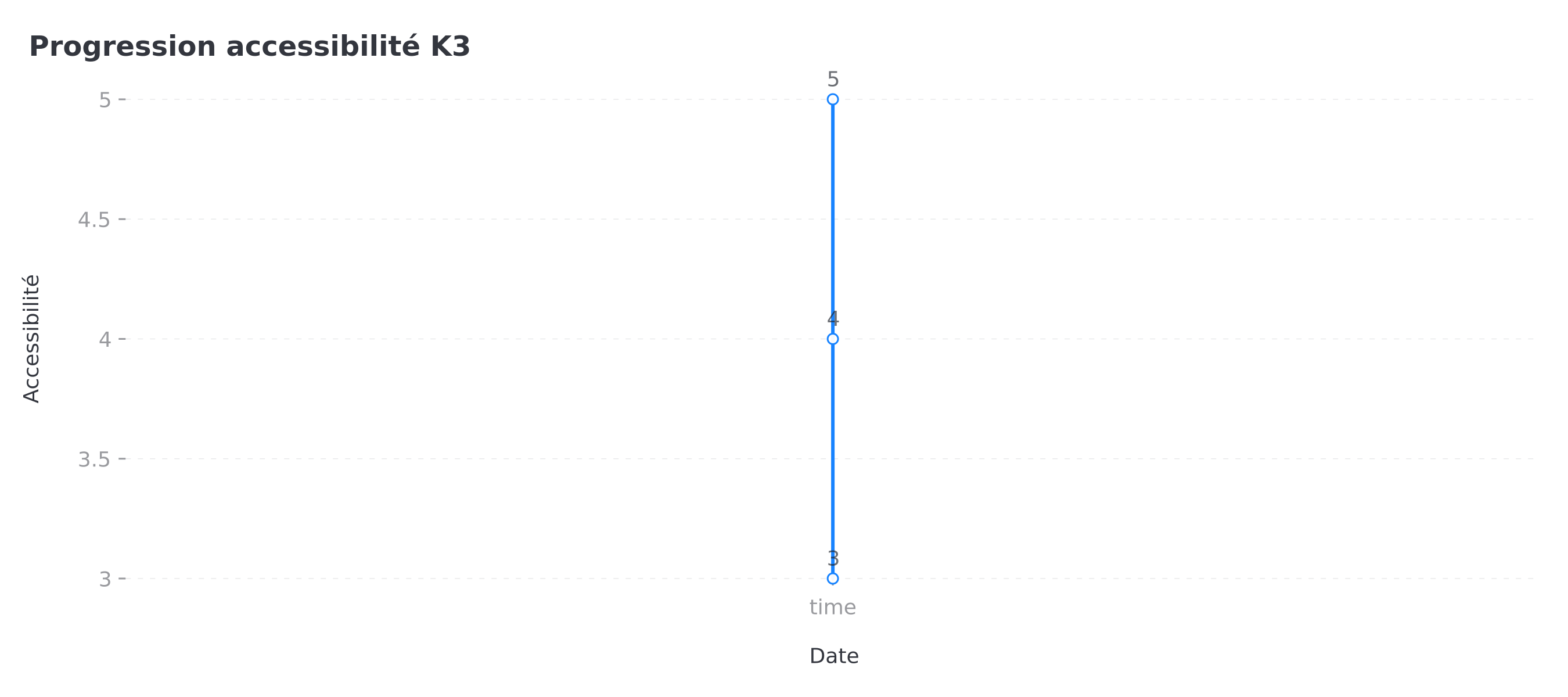 Timeline of Kimi K3's two launch dates: API July 16, open weights July 27
The confusion around Kimi K3 comes from two separate launch dates:
| Date | Event |
|---|---|
| July 16, 2026 | API and Kimi apps go live |
| July 27, 2026 | Full weights published on Hugging Face |
July 16: API Launch
K3 is immediately accessible via:
- Kimi API (OpenAI SDK compatible)
- Kimi app (consumer)
- Kimi Work (productivity)
- Kimi Code (coding tool)
- OpenRouter (third-party access)
July 27: Open Weights
The full weights will be published on Moonshot's Hugging Face, accompanied by a technical report covering architecture, training, and evaluations. The expected license is Modified MIT, similar to previous Kimi releases.
Important: as of July 26, 2026, the weights are not yet public. Moonshot's Hugging Face organization still only contains K2-series checkpoints.
Benchmarks: K3 vs the Frontier
Arena Frontend Code: #1
The most striking result: Kimi K3 debuts at #1 position on Arena Frontend Code leaderboard, a 17-place jump over Kimi K2.6. It's a Chinese open-weight model winning a front-end coding contest judged by real developers in blind matchups — above Claude Fable 5.
Artificial Analysis Intelligence Index
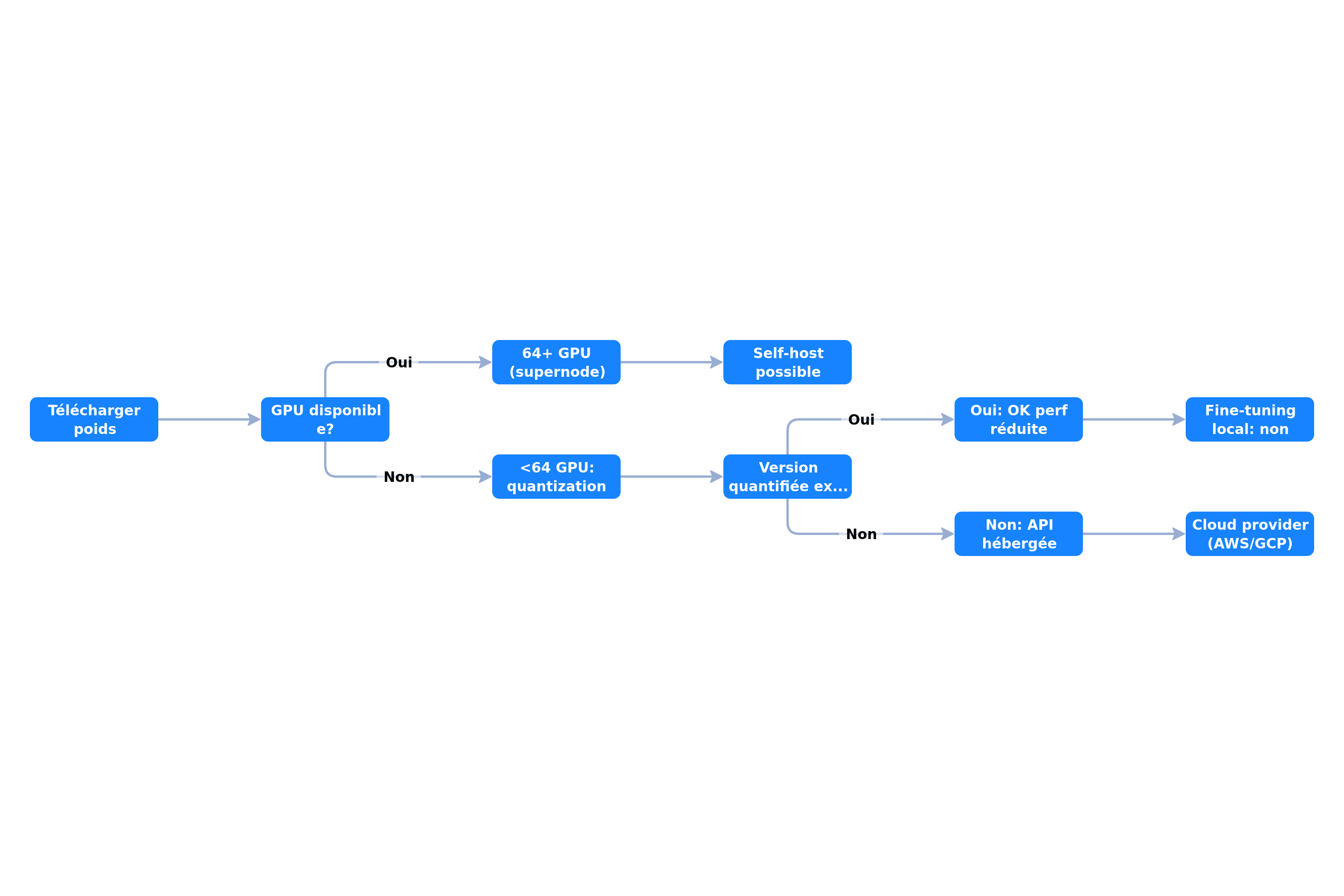 Artificial Analysis Intelligence Index ranking including Kimi K3
| Model | Intelligence Index | Type | Price ($/MTok) |
|---|---|---|---|
| Claude Opus 5 (max) | 61 | Proprietary | $5 / $25 |
| Claude Fable 5 (max) | 60 | Proprietary | $10 / $50 |
| GPT-5.6 Sol (max) | 59 | Proprietary | $5 / $30 |
| Kimi K3 | 57 | Open weight | $3 / $15 |
| Claude Opus 4.8 (max) | 56 | Proprietary | $5 / $25 |
| DeepSeek V4 Pro | 44 | Open weight (MIT) | $0.44 / $0.87 |
SWE Marathon
Kimi K3 is the first open-weight model to genuinely trade blows with the closed frontier, leading SWE Marathon and topping Arena's blind front-end coding vote.
The Catch: Not Yet Self-Hostable
The Infrastructure Reality
The most important point that headlines have glossed over: K3 is not yet self-hostable. Until July 27, it's a hosted service, not a download.
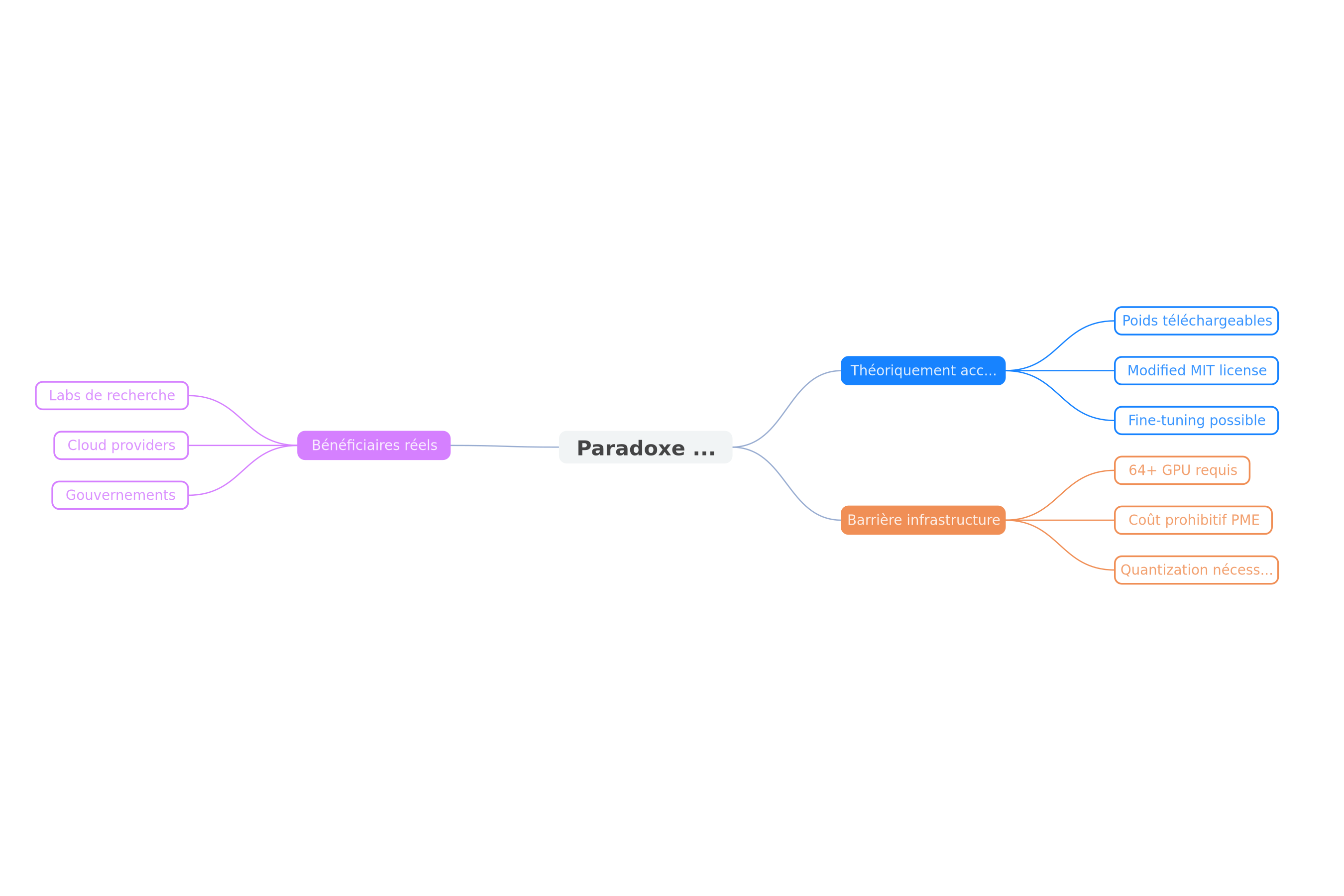 Infrastructure reality for self-hosting Kimi K3: 64+ accelerators required
Moonshot recommends supernode configurations with 64 or more accelerators for deployment. Even an aggressively quantized 2.8T model remains an infrastructure program, not a laptop download.
What "Open-Weight" Really Means
- You get: the trained weights, to download, run, and fine-tune
- You don't get: necessarily the training data or pipeline
Open-weight is not the same as fully open source. Moonshot has a track record of publishing downloadable checkpoints (K2-series), so K3 weights should arrive as promised.
The Geopolitical Context
WAIC 2026 and the Political Signal
K3's release arrives the day before the World Artificial Intelligence Conference 2026 in Shanghai, with an opening speech by President Xi Jinping. The timing is no accident: it's a signal that China wants to demonstrate its ability to produce frontier models.
China vs US Dynamics
| Region | Frontier models | Strategy |
|---|---|---|
| US | GPT-5.6, Claude Opus 5, Fable 5 | Proprietary, closed |
| China | Kimi K3, DeepSeek V4, GLM 5 | Open-weight, downloadable |
| Europe | Mistral (mid-tier) | Mixed |
China's open-weight strategy creates a strategic advantage: downloadable models allow researchers and companies worldwide to use, modify, and study them — building an ecosystem around Chinese technology.
Implications for the AI Ecosystem
For Developers
Kimi K3 opens the possibility of a downloadable frontier model. For teams wanting to avoid OpenAI/Anthropic lock-in, K3 represents an alternative — once the infrastructure to run it exists.
For Francophone SMBs
For SMBs, the impact is indirect but significant:
- Price pressure: open-weight competition pushes proprietary prices down
- Sovereignty: an open-weight model enables sovereign hosting (eventually)
- Innovation: techniques like KDA and Attention Residuals can inspire other models
The Open-Weight Paradox
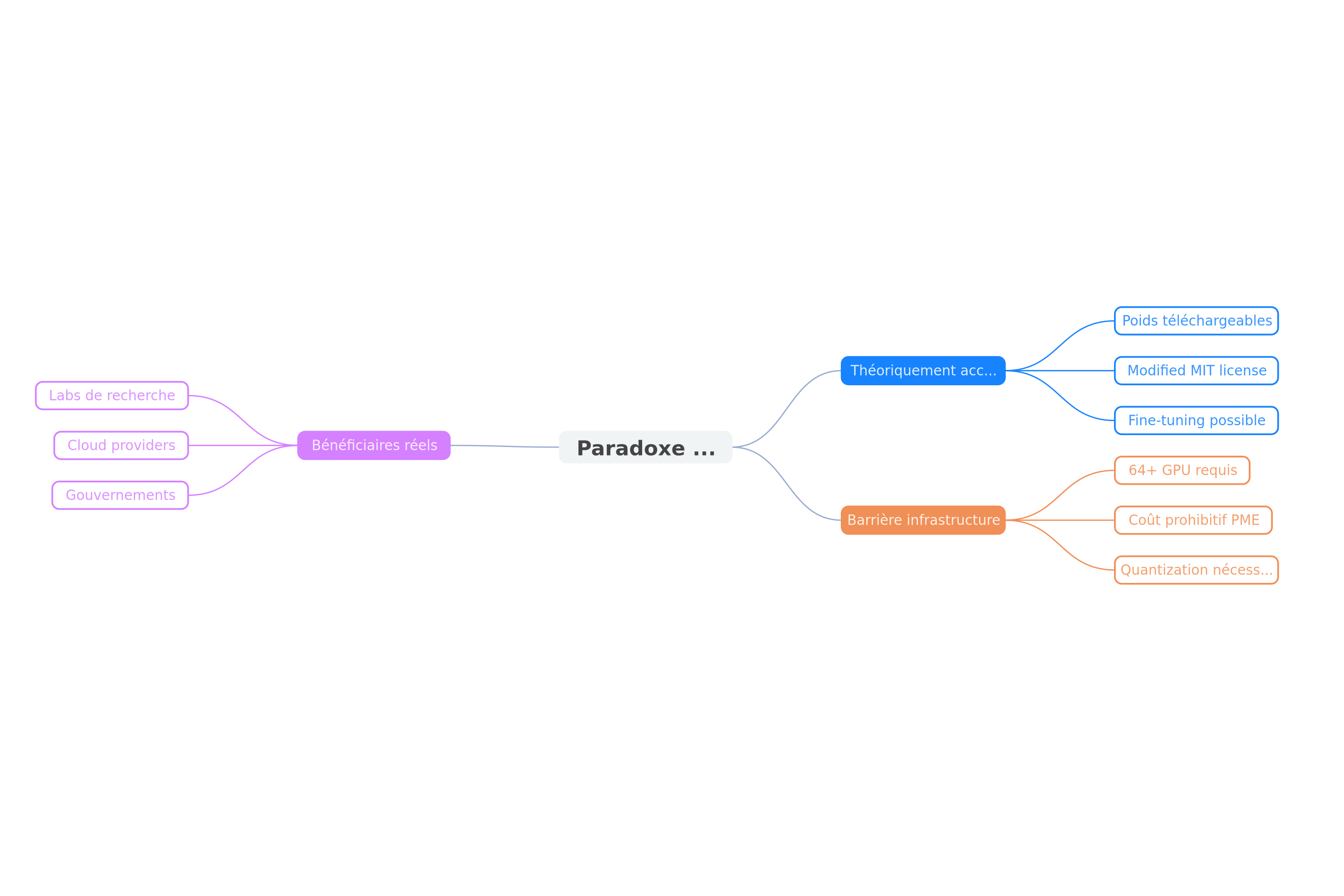 Mind map of the open-weight paradox: theoretical accessibility vs real infrastructure barrier
K3's paradox: it's "open" but not "accessible." The weights are downloadable, but the infrastructure cost to run them (64+ GPUs) exceeds what most companies can invest. Open-weight primarily benefits research labs and cloud providers, not SMBs.
What to Watch
Before July 27
- Effective weight publication on Hugging Face
- Technical report: architecture, training data, evaluations
- Final license: Modified MIT confirmed or other
- Independent evaluations: current benchmarks are vendor-run
After July 27
- Third-party evaluations on HLE, agent tasks
- Fine-tuning by the community
- Quantized versions by groups like Unsloth
- Cloud provider hosting (AWS, GCP, Azure)
Conclusion
Kimi K3 is a powerful signal: China is catching up with the Western frontier with a 2.8T open-weight model that beats proprietary models on significant benchmarks. The #1 on Arena Frontend Code isn't a press release number — it's a developer vote in blind matchups.
But "open-weight" in July 2026 means "API accessible," not "self-hostable." The infrastructure reality (64+ GPUs) puts K3 out of reach for most companies. The real test will come after July 27: independent evaluations, community fine-tuning, and quantized versions.
For SMBs that want to leverage AI without lock-in, the strategy remains: use APIs (Kimi, OpenAI, Anthropic) for flexibility, and build defensibility around your data and workflows. Our AI agent creation service integrates model-agnostic design, and our automation accompaniment covers architecture that withstands model changes. To understand how to evaluate a model before production, check our Claude Opus 5 analysis.
Tags
FAQ
What is Kimi K3 and who created it?
Kimi K3 is a 2.8-trillion-parameter AI model (MoE) created by Moonshot AI, a Chinese startup based in Beijing. It was released on July 16, 2026 and is described as the largest open-weight model published to date.
When will Kimi K3 weights be available?
Moonshot has announced that the full model weights will be released on July 27, 2026 on Hugging Face, accompanied by a technical report. Until then, K3 is accessible via the Kimi API and Moonshot's applications.
What is Kimi K3's architecture?
Kimi K3 uses a Mixture-of-Experts architecture with 2.8 trillion total parameters and 16 active experts out of 896 per token. It supports a 1-million-token context and native multimodal inputs (text and images).
How does Kimi K3 compare to Western models?
On the Artificial Analysis Intelligence Index, Kimi K3 scores 57, vs 61 for Claude Opus 5 and 59 for GPT-5.6 Sol. But it's #1 on Arena Frontend Code, beating Claude Fable 5 in blind matchups.
Can Kimi K3 be self-hosted?
Not yet practically. Moonshot recommends supernode configurations with 64 or more accelerators for deployment. Even quantized, a 2.8T model remains an infrastructure program, not a laptop download.
Free audit: we check the impact on your site and workflows
Next.js CVE, new agent, MCP… We tell you what actually applies, and what to patch or ignore.
- 30 min
- Stack reviewed
- No commitment

William Aklamavo
Web development and automation expert, passionate about technological innovation and digital entrepreneurship.


